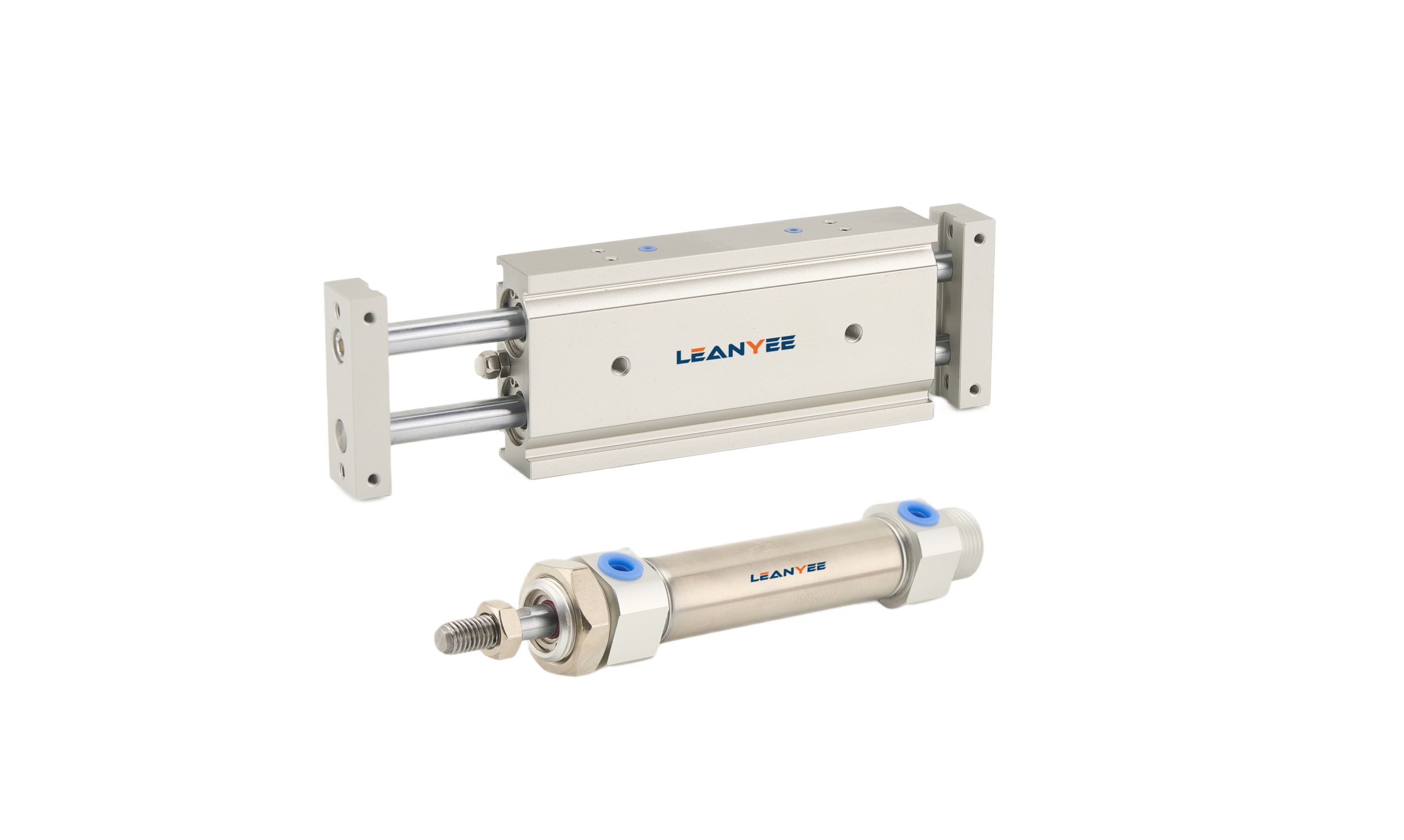
Media, Temperature, and Protection
Media, Temperature, and Protection: Selection Is Not Just Bore and Stroke
-
10 Jul, 2025

-

Media, Temperature, and Protection: Selection Is Not Just Bore and Stroke
Pneumatic Technology Explained · Pneumatic Cylinder Series
The short answer: getting bore and stroke right is not enough — the wrong cylinder for the environment will still let you down. Media (oily or corrosive), temperature (hot or cold), and protection (dust, washdown, cleanroom) decide the materials, seals, and construction. Feed the environment into the selection and the cylinder will last.
How Environment Shapes the Selection
Oil-free service (no lubricator): choose lubrication-free cylinders with factory-applied grease and wear-resistant seals. High temperature: heat-resistant seals (fluoroelastomer, for example) and derated operation. Corrosive environments: stainless steel bodies or anti-corrosion coatings. Dust and washdown: high ingress protection with wiper (scraper) rings. Food and cleanroom: stainless steel with food-grade seals and washdown-friendly construction.
Environment determines seal material and construction directly. ISO 4414 sets general requirements for using pneumatic components in different environments, and can be followed as a reference.
Choosing for Four Special Conditions
| Item | Oil-free service | High temperature | Corrosive / hygienic | Dust / washdown |
| Key choice | Lubrication-free cylinder | Heat-resistant seals + derating | Stainless steel + special seals | Wiper ring + ingress protection |
| Seal material | Wear-resistant rubber | Fluoroelastomer (FKM) | Food-grade / chemical-resistant | Wiper + main seal |
| Typical setting | Lines without lubricators | Ovens / hot pressing | Food / chemical | Foundries / outdoor |
| Risk | Seals run dry | Aging and leakage | Rust, contamination | Dust ingress, sticking |
Field Notes: Mistakes We Have Seen
- Running a lubrication-free cylinder on a line with a lubricator. The oil film can attack the factory grease and damage the seals instead.
- No derating at high temperature. Seal life collapses and the cylinder leaks before long.
- Ordinary rubber seals in food service. Non-compliant, and they contaminate the product.
- No washdown protection outdoors. Water passes the rod seal and rust follows. Mainstream catalogs label oil-free suitability, temperature ratings, stainless versions, and IP grades — match the environment against them and the choice rarely goes wrong.
Frequently Asked Questions (FAQ)
Q1: What is the difference between lubrication-free and ordinary cylinders? A lubrication-free cylinder ships with long-life grease pre-applied on piston and seals, paired with wear-resistant, self-lubricating seal materials, and runs long-term without a lubricator. An ordinary cylinder needs continuous oil mist supply. Lubrication-free cylinders suit food, electronics, and cleanroom service where oil is unwelcome, and they simplify maintenance by removing the lubricator. The trade-offs: a slightly higher price, and the grease depletes over time so the cylinder still needs servicing at end of life. Note: do not add oil to a lubrication-free cylinder at will — it destroys the original lubrication.
Q2: How should cylinders be selected for high temperature, and is derating necessary? At high temperature, seal aging accelerates and the strength of metals and plastics falls, so the cylinder must be derated. Selection steps: choose heat-resistant seals (fluoroelastomer and the like); lower the working pressure along the manufacturer’s temperature–pressure derating curve; and keep the cylinder away from direct radiant heat, adding shielding where necessary. Near its temperature limit, an ordinary cylinder’s life drops sharply. For hot service, prefer a metal body with heat-resistant seals and shorten the inspection interval. Confirm temperature classes and derating figures against the manufacturer’s catalog.
Q3: When is a stainless steel cylinder a must? Three cases call for stainless steel directly: corrosive environments (humidity, acids and alkalis, cleaning agents); food, pharmaceutical, and cleanroom service that demands corrosion resistance, washdown cleanliness, and no extractables; and any application needing a higher cleanliness level. Stainless cylinders cost more, but in these duties they are a reliability necessity — plain steel rusts and contaminates the product. Seals must match too: food-grade or chemically resistant grades. Confirm the material grade against environment and media, per the catalog. Environment decides material — do not economize here.
Q4: How do I prevent sticking in dusty environments? Dust clings to the piston rod and is carried inside, wearing the seals and causing sticking. Protections: fit cylinders with wiper rings that scrape dust off the rod as it extends; add bellows boots or protective covers to shield the rod; keep the air supply clean (filtration per the ISO 8573 air quality classes); and shorten cleaning and inspection intervals. In foundries, woodworking, and grinding — wherever dust is heavy — dust control and cleaning are what protect the cylinder’s life, and the rod should be wiped down routinely.
Q5: How do I read a cylinder’s IP rating? Ingress protection is written as IP plus two digits (IP65, for example): the first digit covers solids (6 means dust-tight), the second covers water (5 means protected against water jets, 7 against temporary immersion). Standard cylinders default to modest protection; dusty, washdown, or outdoor applications need a high IP grade or added protection. Note that the IP rating applies to the whole assembly, so the sealing and wiper performance at the rod exit matter just as much. Select the protection grade to suit the environment, and confirm against the manufacturer’s label.
Prepared by the LEANYEE pneumatics technical team based on hands-on commissioning experience, for reference by industry peers.
Technical Disclaimer
The fitting selection, thread types, and technical parameters discussed in this article are based on applicable international standards, including ISO 4414 (Pneumatic Fluid Power — General Rules and Safety Requirements), ISO 8573 (compressed air quality), ISO 6358 (flow characteristics), and relevant thread standards such as ISO 7-1, ISO 228-1, and ANSI/ASME B1.20.1, together with publicly available technical information from international manufacturers such as SMC, Festo, and Parker.
This article is intended for general technical reference only. Actual performance may be affected by cylinder bore size, load, operating pressure, temperature, piping layout, and other application-specific factors.
On-site testing and commissioning are recommended where necessary. Always refer to the product documentation and technical parameters confirmed by the manufacturer for the specific product being used.
LEANYEE Technical Team
[Topic] Media, temperature, and environmental protection | [Intended readers] Design and process engineers
More News & Insights
-
Leanyee
 29 Oct, 2026Pneumatics in Electronics CleanroomsPneumatics in Electronics and Semiconductor Cleanrooms: Cleanliness and ESD ProtectionRead Article
-
Leanyee
 22 Oct, 2026Pneumatics in Automotive Welding LinesPneumatics in Automotive Welding Lines: Clamping, Location, and Spatter ResistanceRead Article
-
Leanyee
 15 Oct, 2026Pneumatics for Food and Beverage LinesPneumatics on a Food and Beverage Line: Oil-Free, Hygienic, Washdown-ReadyRead Article